


Midge – A Mini Weighing Rain Gauge
- Reads true in the wind. Its wind shield, shaped in a CFD model, loses a fraction of what a tipping bucket does.
- Weighs the rain. Continuously, instead of counting a bucket's tips, and it adds back what falls while it empties.
- Mounts on what's there. One screw into a post or any surface; it turns and pivots to stand level.
Why it reads true
In the wind
Wind carries rain past a gauge's mouth: the air, and the raindrops in it, flow up and over the opening. The Midge's wind shield wins most of that rain back.
6-inch tipping bucket
Midge with its wind shield
caught blown clear carried in from outside the aperture
Small raindrops, 0.35 mm across, in a 5 m/s wind: the size the wind carries furthest. Hollow drops are blown over the rim, their paths dashed.
| Gauge | Aperture | 1 mm/h | 5 mm/h | 20 mm/h |
|---|---|---|---|---|
| Midge | 95.6 mm | 2.5 % 35 % less | 1.2 % 40 % less | 0.6 % 45 % less |
| Midge with its wind shield | 95.6 mm | 0.7 % 83 % less | 0.3 % 85 % less | 0.1 % 87 % less |
| 6-inch tipping bucket(the reference) | 153.9 mm | 3.8 % | 2.0 % | 1.1 % |
| 8-inch standard gauge (NWS SRG) | 203.2 mm | 5.0 % 31 % more | 2.6 % 33 % more | 1.5 % 35 % more |
- Midge
- Midge with its wind shield
- 6-inch tipping bucket
- 8-inch standard gauge (NWS SRG)
From CFD of the airflow round each gauge, with raindrops of Marshall–Palmer sizes flown through it. The shielded Midge is the mean of a leaf and a gap facing the wind. Model results, for comparing the gauges with each other: in the field, against a pit gauge, every gauge loses more. How the model works: Wind.
In heavy rain
Above about 25 mm/h a tipping bucket cannot tip fast enough, and the rain that falls while it tips is lost: on average 10–15 % above 200 mm/h (Lanza & Stagi 2008, fig. 2). A syphon keeps the volume but holds the water back and releases it in a rush, so the timing is out by minutes. The Midge weighs the rain instead of counting tips, and adds back the rain that falls while it empties. The Midge's bucket can hold 6mm of rain resulting in far fewer tips (30x reduction compared to conventional tipping-bucket gauges). The gauge also proactively tips in rain lulls, minimising the number of tips during rainfall periods.
Intelligent to the Core
Everything the Midge reports is worked out on the gauge itself, by its firmware (the software that runs on it), which we write and keep improving.
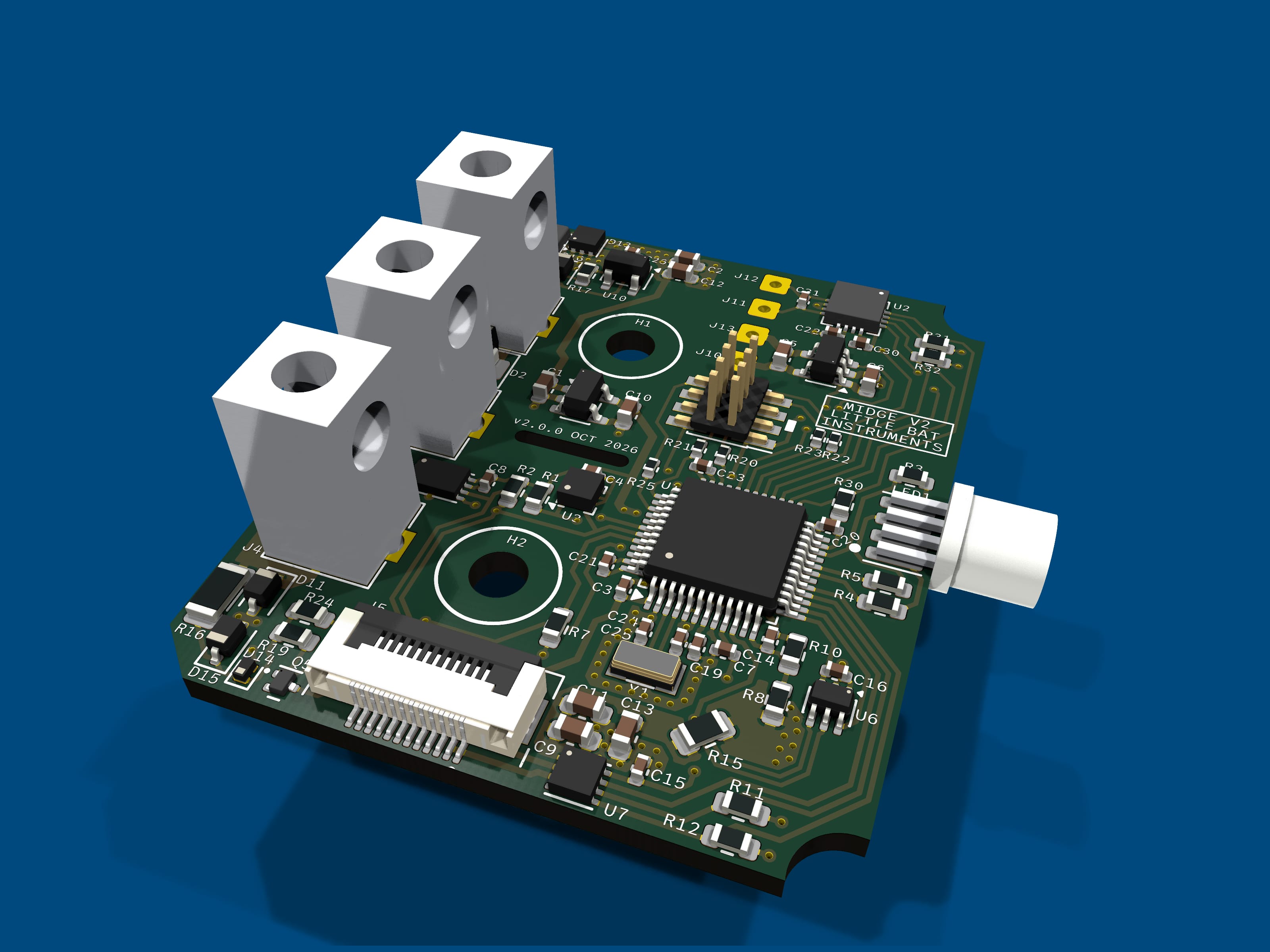
- Rain, told apart from noise. Every weighing is filtered, so a single knock or a slow drift is not reported as rain, and a light shower still is. No wind induced false tips either.
- Fine steps, as it falls. It reports rain in far finer steps than a tipping bucket's tip, while it is still raining.
- Nothing left out when it empties. It works out the rain that fell in the three seconds or so it takes to empty, and adds it back.
- Looks after itself. It checks its own vitals, recovers from faults, and reports what happened so we can fix it.
- Seamless updates. Its firmware is updated remotely, through its gateway. Algorithm improvements based on in-field, manually verified, data will be pushed to all gauges.
Made for the field
Mounts on what's there
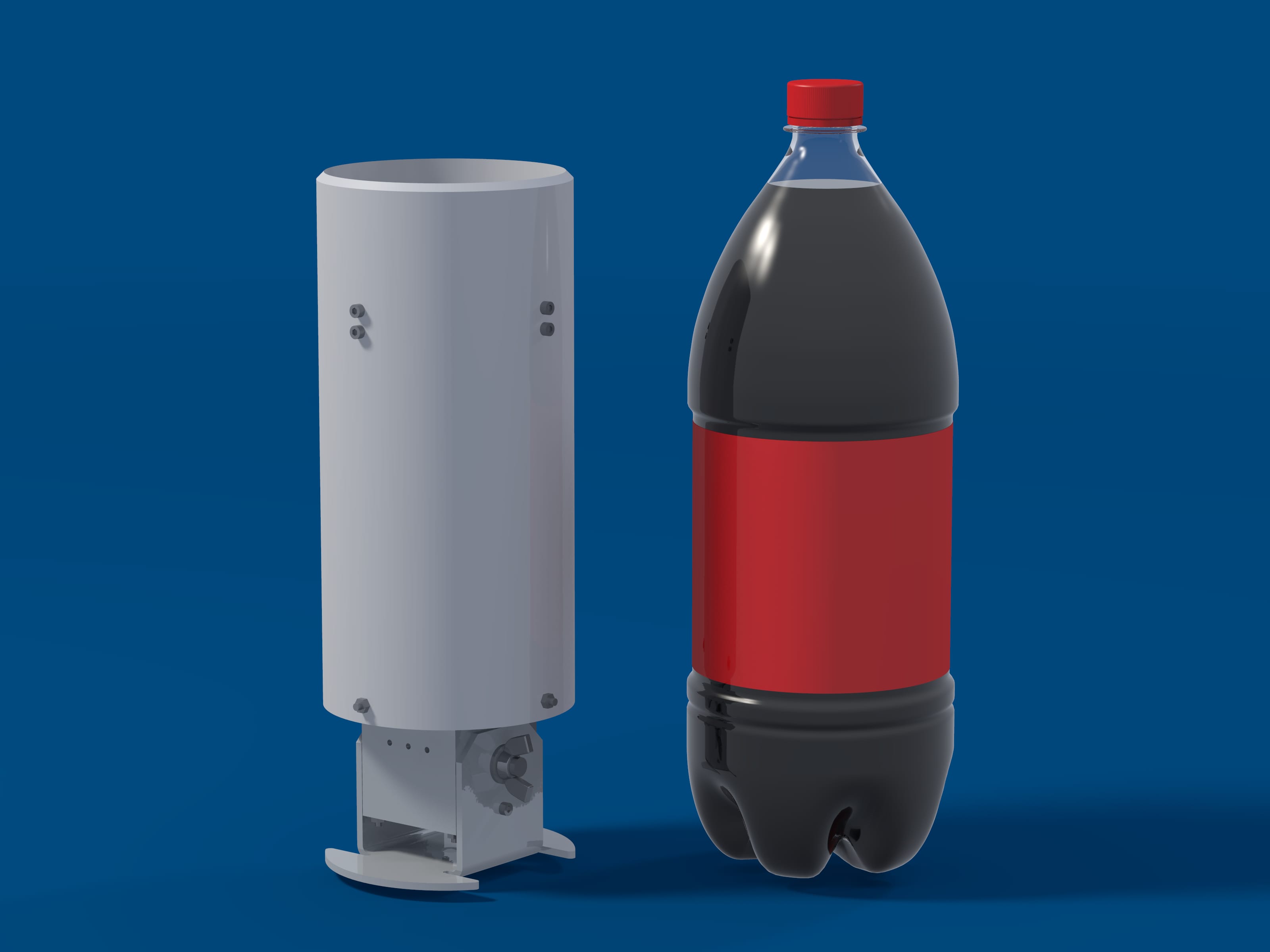
One screw through the centre of its foot fixes the Midge to a vineyard's timber post, a fence rail, or anything else a screw will bite. Turned on that screw to face its pivot across the slope, then tipped on the pivot, it stands level on any surface: nothing to strap to a pole, no feet to shim. And it is small enough to carry to a remote site in a backpack.
Knows when it's level
The Midge measures its own tilt, front to back and side to side, and shows an indication light while it is not level, so it can be levelled at the pivot. From then on its dashboard draws its tilt: a post that settles, or a storm that knocks it askew, shows.
Rain on the farm
Rain decides when to spray and when to irrigate. What it decides depends on the crop.
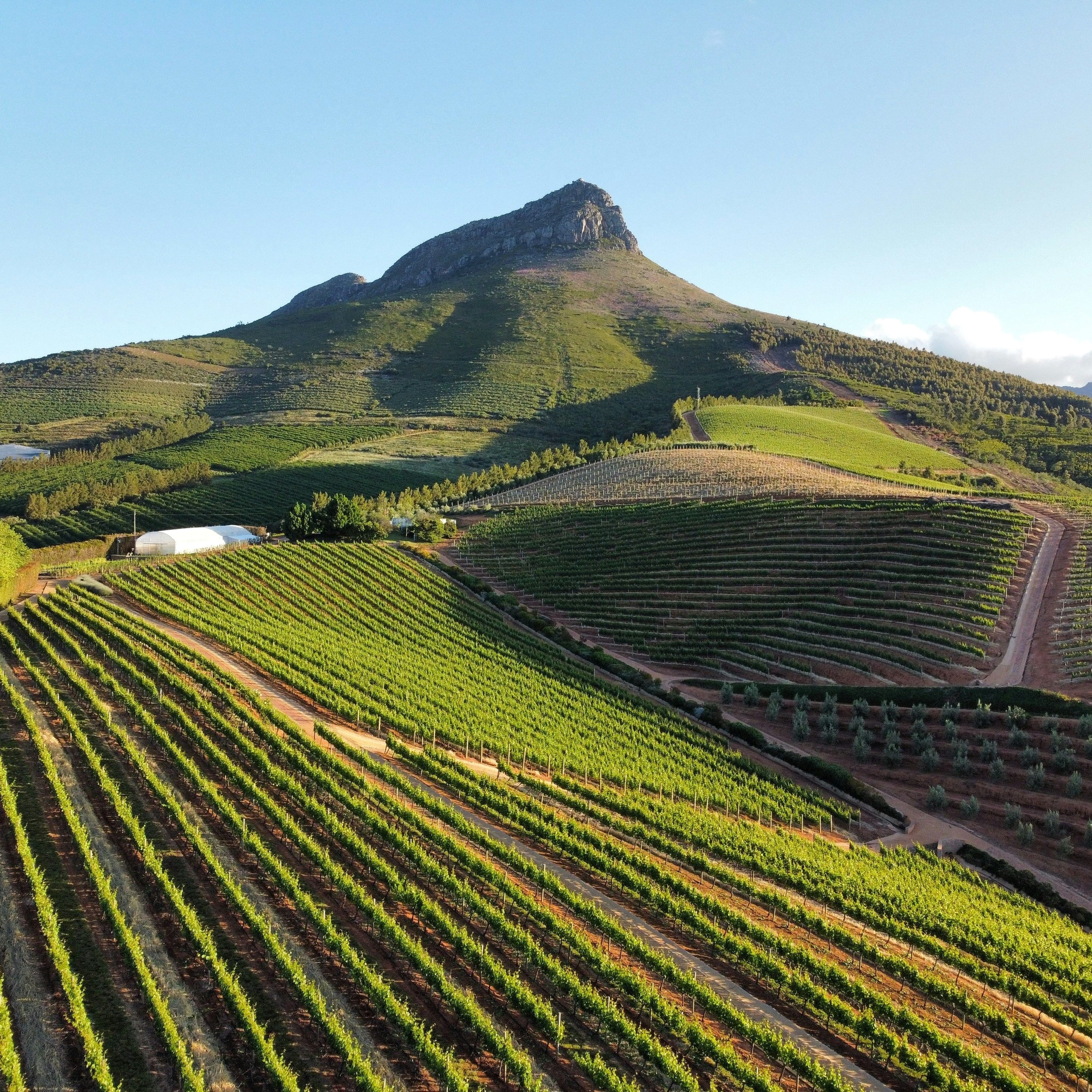
Downy mildew depends heavily on rain, so measuring it accurately is paramount.
MoreLess
Its first infections of the season follow rain on young vines: from three to six weeks after budburst until the berries are pea-sized, and severe infection around flowering can cost the whole crop. Growers use rules of thumb such as 10:10:24 — about 10 mm of rain over 24 hours, at 10 °C or more — as a guide to when the risk starts. A gauge that reads a few per cent low in the wind understates that risk, and a reading the next morning comes too late to spray on.
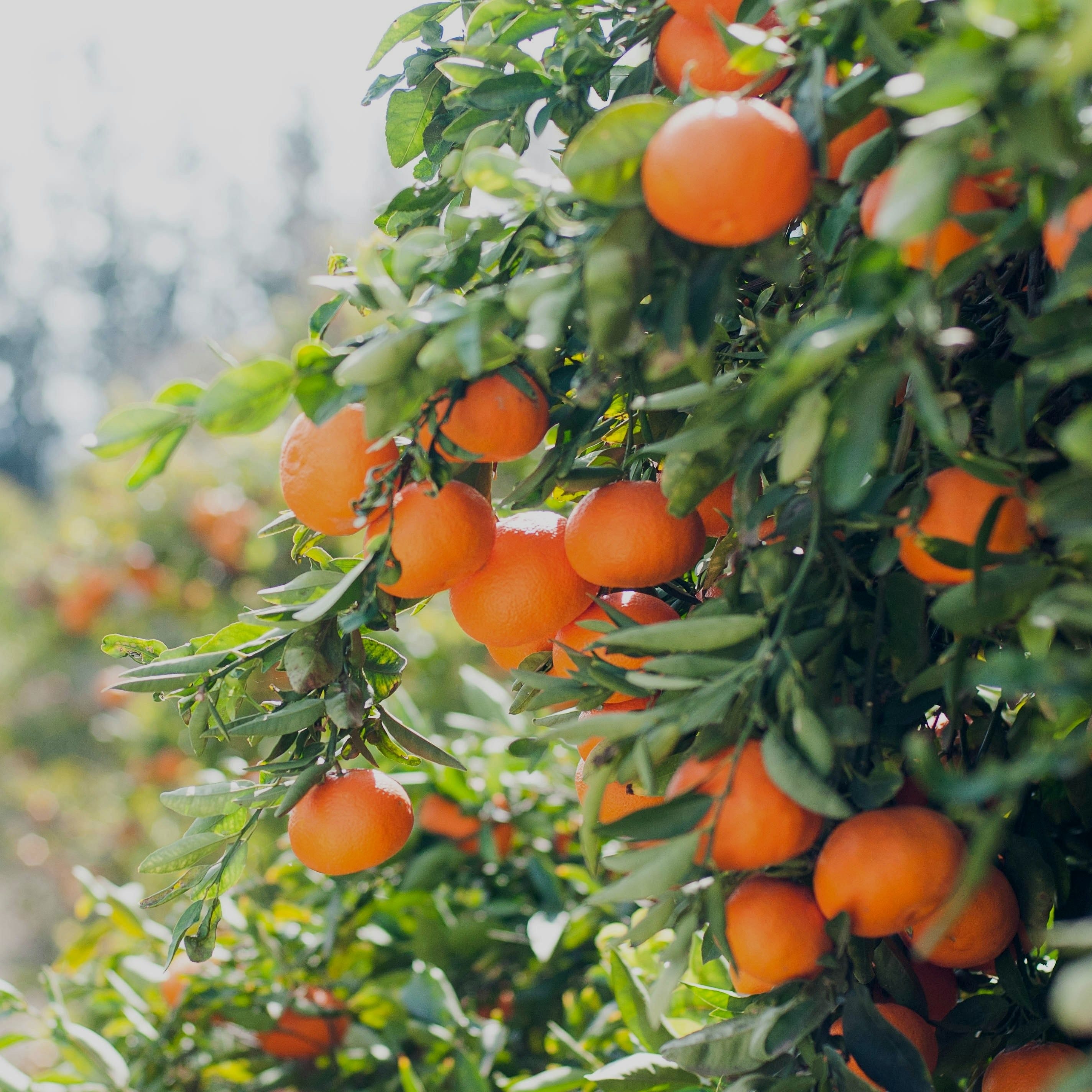
Citrus black spot's spores mature over warm, wet days, so every wet day needs counting.
MoreLess
The models South African researchers built to predict when the spores mature count days with more than 0.1 mm of rain, or very humid air. That is less than half of one tip of most tipping-bucket gauges, which tip every 0.2 to 0.254 mm, so a tipping bucket can call a lightly wet day dry.
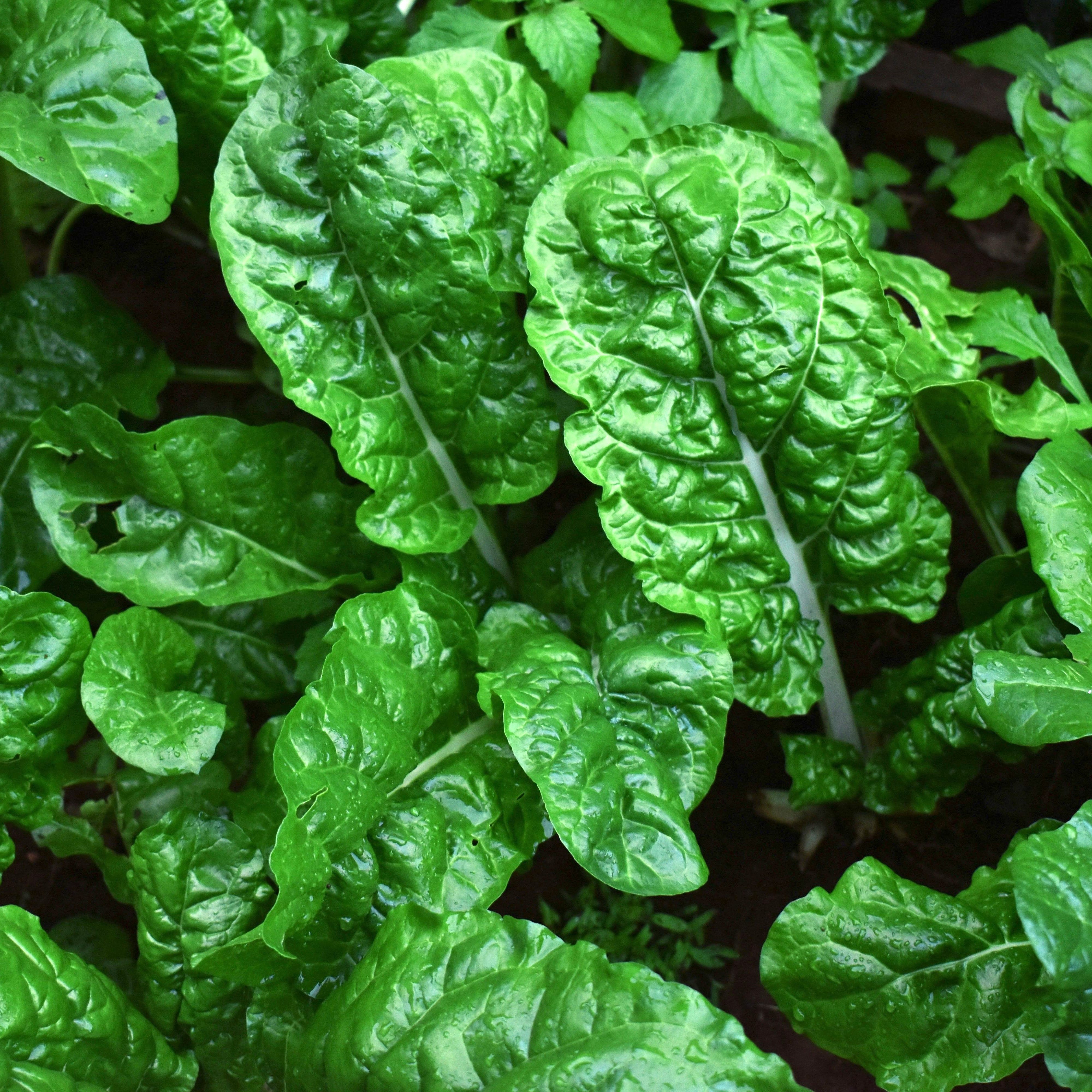
Rain carries nitrate past the roots, so knowing what fell comes before the next irrigation.
MoreLess
Leafy crops are grown on nitrogen, and nitrate is the form of it rain moves most easily. Heavy rain flushes it deeper into the soil, and irrigation beyond what the crop uses carries more below the roots. Knowing how much rain has fallen says whether the next irrigation is needed at all, and whether nitrogen needs topping up.
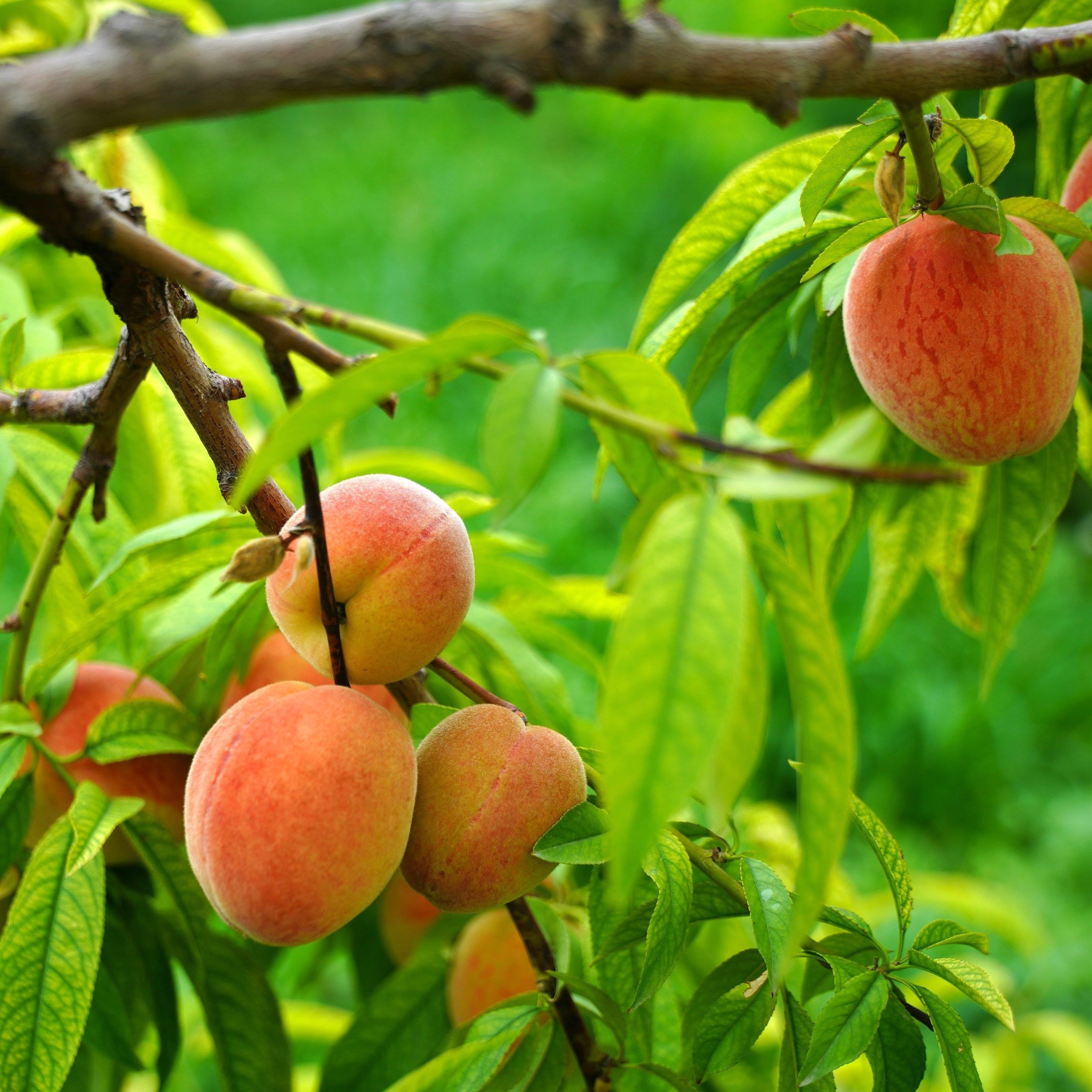
Brown rot follows wet weather in bloom and rain near harvest, so when it rained matters as much as how much.
MoreLess
Prolonged wet weather in bloom can bring extensive blossom infection, and how long the blossoms must stay wet depends on the temperature. Close to harvest, rain splits cherries, and brown rot is serious on split fruit. A reading minute by minute gives the start and the end of each wet spell; a daily total gives neither.
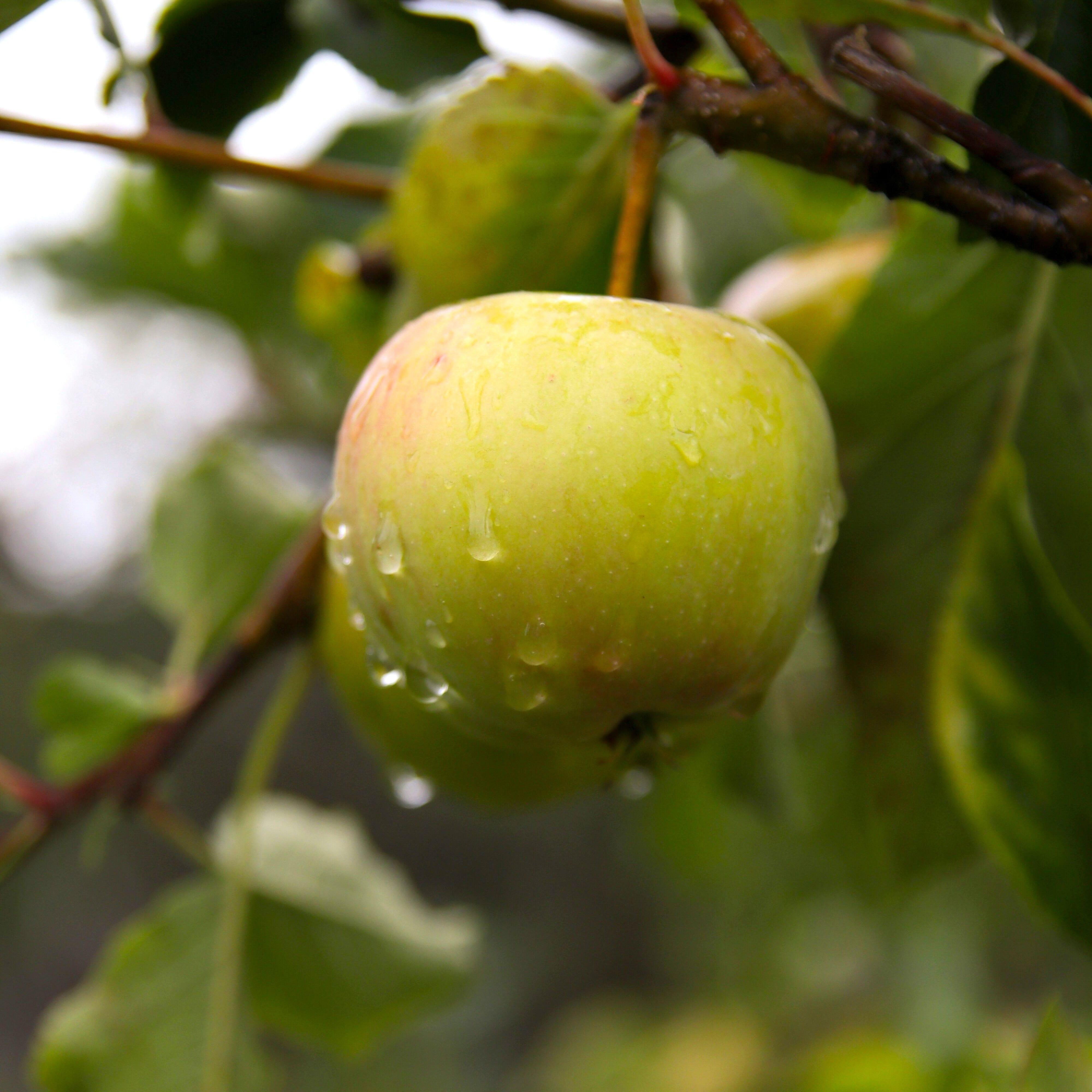
Scab infects young leaves and fruit while they stay wet, so when the rain started and stopped is what counts.
MoreLess
Its spores are discharged during spring rains. Whether a wet spell was an infection period is judged from tables of hours of wetting against temperature (Mills and La Plante's), and a curative spray's reach is counted from the start of that period. Both need the rain's start and end, not a total read off a gauge the next morning.
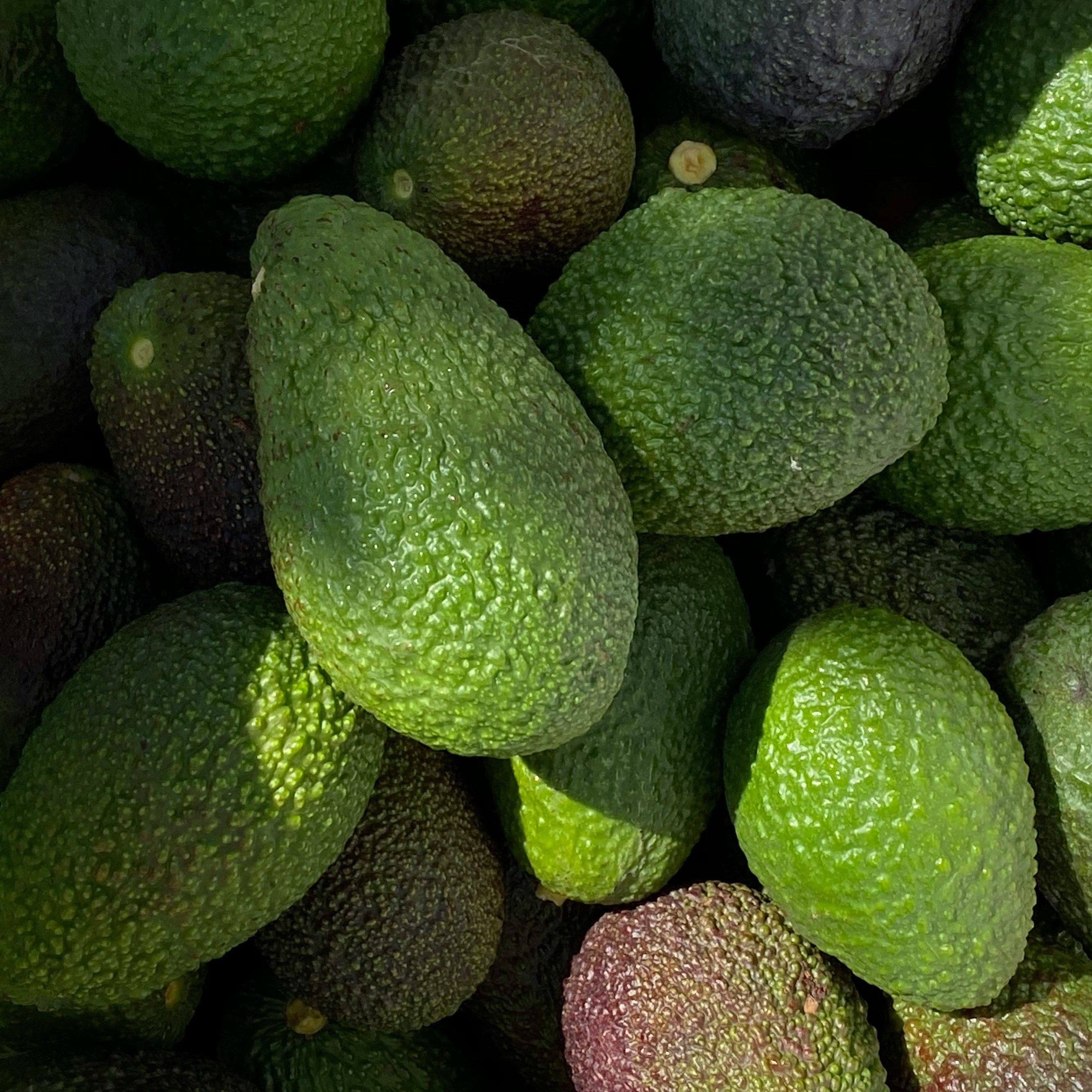
Phytophthora root rot thrives in wet soil, so the rain that fell has to come off the irrigation.
MoreLess
Watering soil that is already wet waterlogs it and speeds the disease, and good irrigation management is the most important control there is. A schedule built on evapotranspiration has to take off the rain that fell; a gauge that under-reads leaves it watering wet soil.